
Have you ever looked at your smartphone and noticed “5G UW” flashing in the corner, wondering what does 5G UW mean? In an age where fast internet is vital for streaming, gaming, video calls, and remote work, understanding network indicators isn’t just curiosity — it can improve your daily digital life.
5G UW, short for 5G Ultra Wideband, represents the fastest 5G network tier offered by Verizon in the U.S., combining mmWave and C-band mid-band frequencies. This technology delivers lightning-fast speeds, ultra-low latency, and improved bandwidth — ideal for 4K streaming, cloud gaming, or real-time collaboration.
In this article, we’ll explore the definition, origin, usage, misconceptions, alternatives, and FAQs for 5G UW. Along the way, you’ll find real-life examples, comparisons, and simple metaphors to make the technical aspects easy to understand, while keeping it fully SEO-optimized with primary, secondary, LSI, and NLP keywords.
Definitions & Meaning
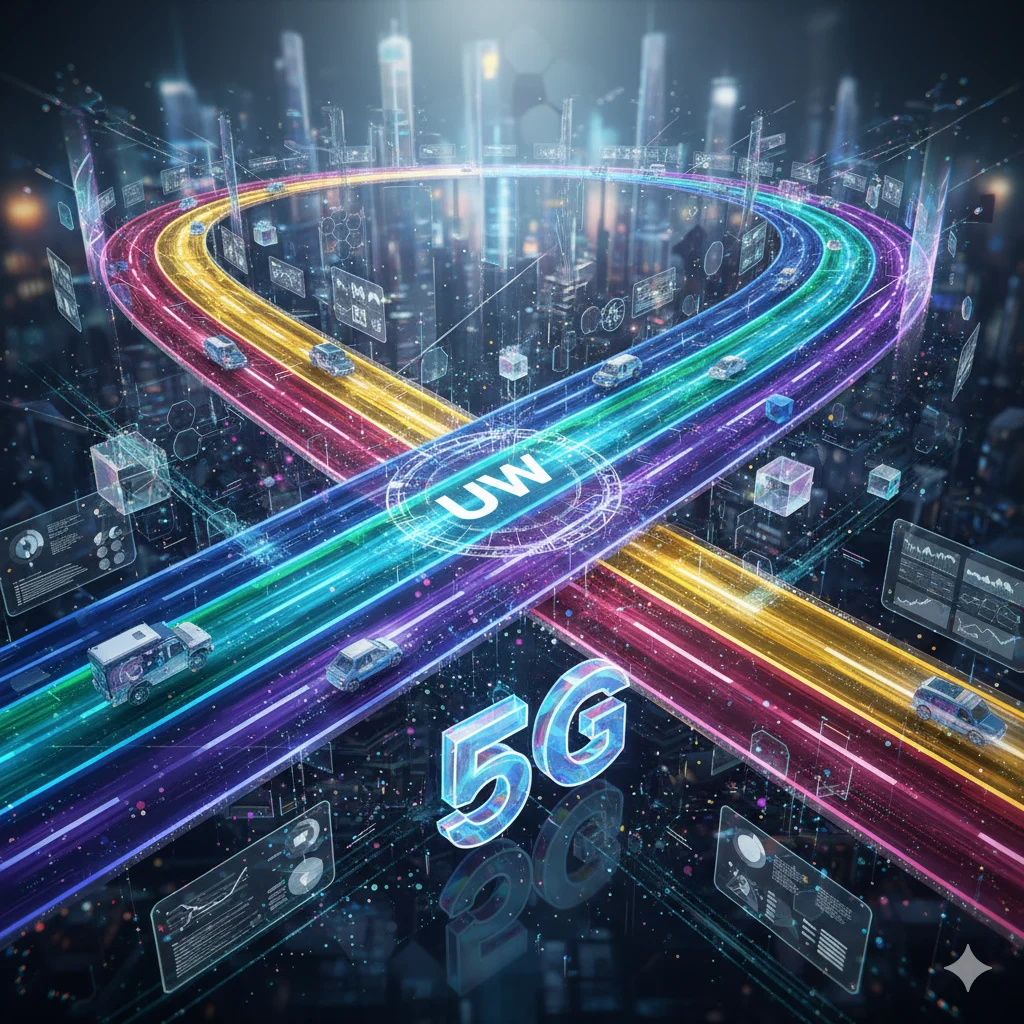
5G UW stands for 5G Ultra Wideband, a premium tier of 5G designed to deliver ultra-fast internet. When your phone shows the 5G UW icon, it means you’re connected to a network capable of gigabit-level speeds, far faster than regular 5G.
Think of 5G UW like a superhighway: while standard 5G is a 4-lane road, Ultra Wideband is 12 lanes wide, allowing much more data to flow simultaneously with fewer delays.
Key Features:
- Speeds: 1–2 Gbps in ideal conditions
- Low latency: Instant responses for gaming, VR, AR, or video calls
- High bandwidth: Handles multiple users without slowing down
| Network Type | Typical Speeds |
|---|---|
| 4G LTE | 20–50 Mbps |
| Standard 5G | 50–200 Mbps |
| 5G UW | 1,000–2,000 Mbps |
Origins & History
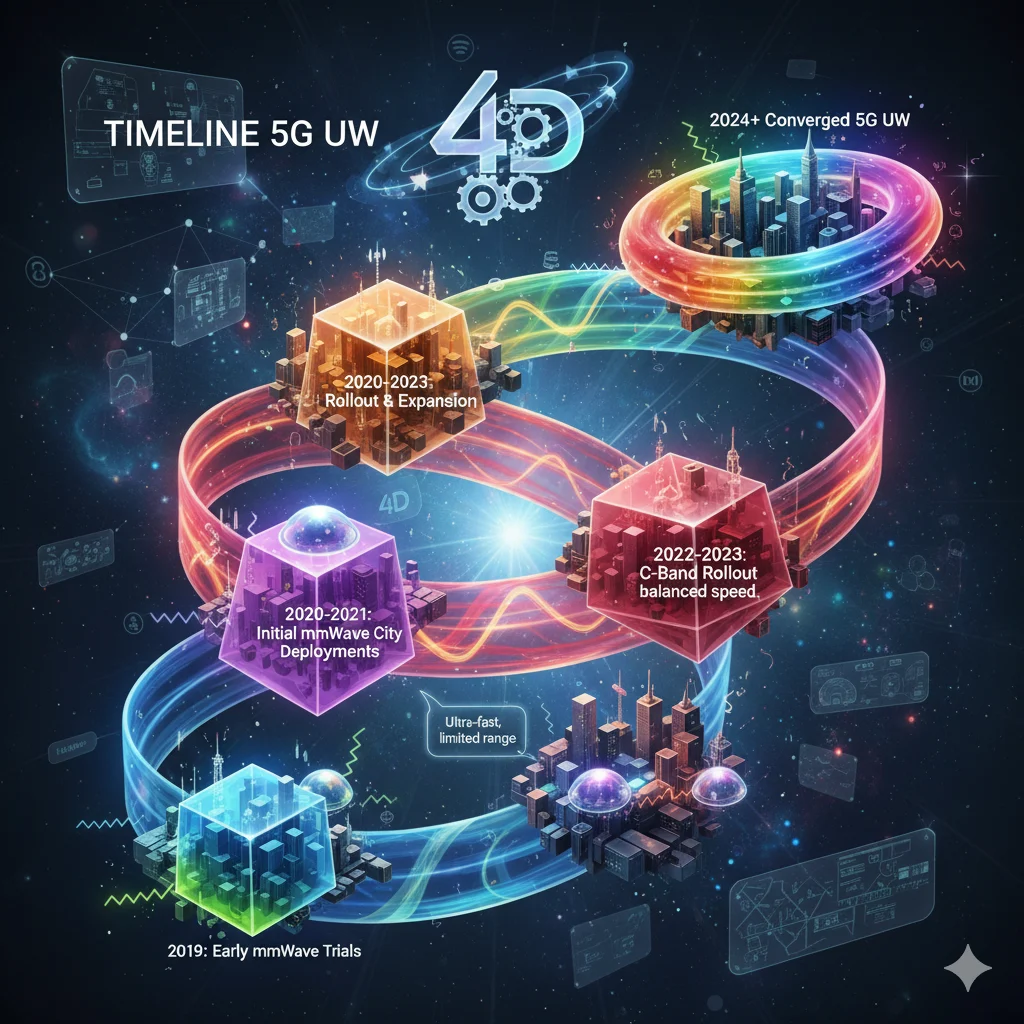
The 5G Ultra Wideband concept emerged around 2018–2019 as carriers prepared for 5G deployment. With more people working remotely, streaming videos, and using smart devices, networks needed faster, more reliable connections.
Verizon coined the term Ultra Wideband to distinguish its fastest 5G service. Initially, UW relied heavily on mmWave spectrum, offering incredible speeds but limited coverage — mostly in city hotspots, airports, and stadiums.
By 2021–2022, mid-band (C-band) 5G was included in UW, expanding coverage to suburban areas while maintaining high speeds. Today, 5G UW combines mmWave and mid-band to provide the best balance of speed and accessibility.
Example:
“I was able to upload a 10GB video in minutes on 5G UW, something that would take hours on standard 5G.”
Usage in Different Contexts

1. Social Media
Users share posts about 5G UW speeds, often showing screenshots of gigabit downloads. Influencers highlight UW when reviewing smartphones or apps.
“Just hit 1.5 Gbps on 5G UW — Netflix loads instantly!”
2. Professional Work
Industries such as logistics, telehealth, and engineering rely on 5G UW to upload large files, access cloud databases, or manage remote devices in real-time.
3. Tech Reviews & Pop Culture
Tech reviewers frequently mention UW when evaluating devices. Phrases like:
“Supports 5G UW, so you’ll experience top speeds on Verizon networks”
are common.
4. Everyday Life
Even casual users notice differences in streaming, video calls, and downloads. Think of UW as your premium fast-lane network, compared to the “regular lane” standard 5G.
Keywords: 5G UW network, Verizon 5G UW, smartphone network icons, ultra-fast mobile data
Common Misunderstandings & Clarifications
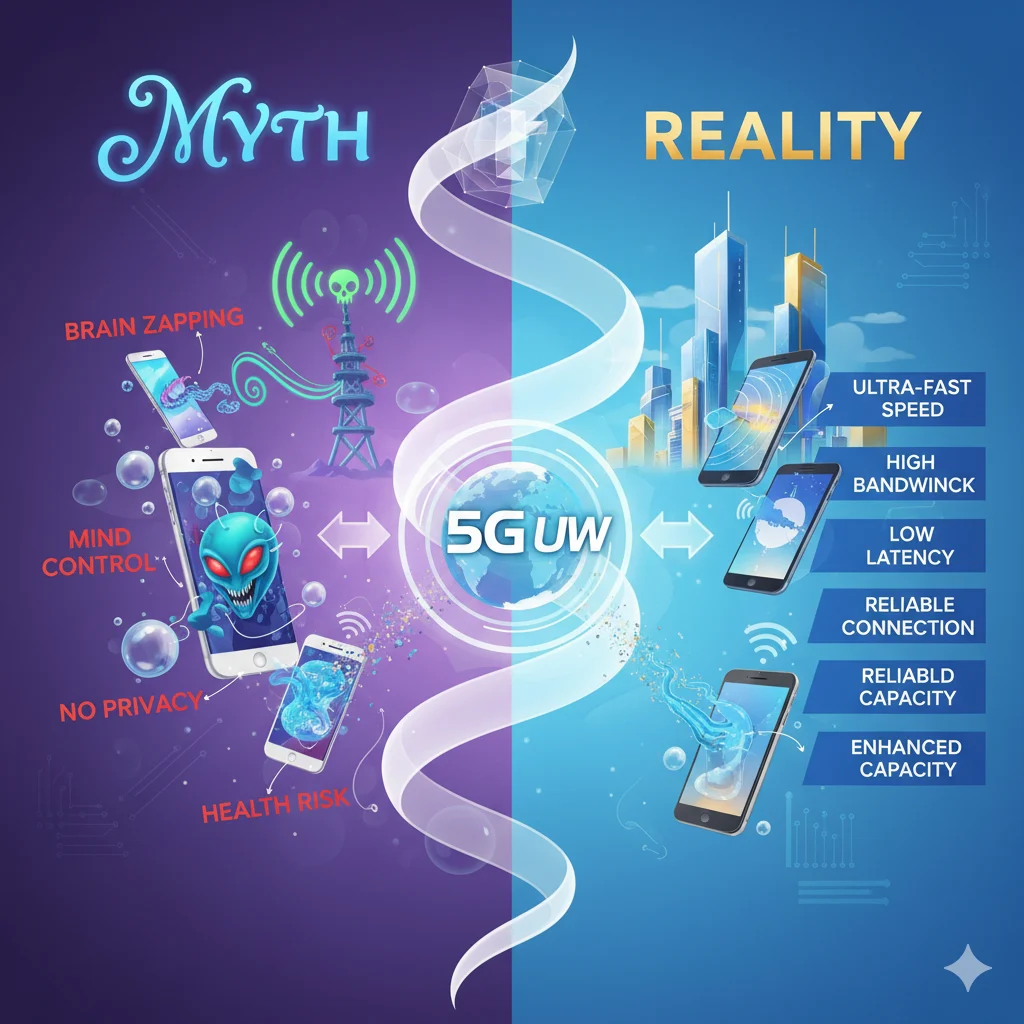
- “5G UW is everywhere” – False. Coverage is limited to areas with mmWave or mid-band towers.
- “It’s the same as standard 5G” – No. Standard 5G often uses low-band frequencies, slower and with longer range.
- “All phones support 5G UW” – Only devices with UW bands. Most phones from 2021 onward are compatible.
- “You’ll always get maximum speed” – Speeds vary with tower distance, congestion, and interference.
- “Battery drains excessively” – Some extra usage occurs, but modern phones optimize power efficiently.
Alternatives & Synonyms

Other carriers have similar high-speed 5G tiers:
- T-Mobile: 5G UC (Ultra Capacity)
- AT&T: 5G+
- mmWave 5G – technical term for very high-frequency 5G
- C-band 5G – mid-band spectrum
- 5G SA (Standalone) – pure 5G core network
Functional synonyms: ultra-fast mobile data, high-speed 5G, wideband 5G, premium 5G network
Comparison table:
| Carrier | High-Speed 5G Term | Spectrum Used |
|---|---|---|
| Verizon | 5G UW | mmWave + C-band |
| T-Mobile | 5G UC | C-band + mmWave |
| AT&T | 5G+ | C-band + mmWave |
Frequently Asked Questions (FAQ)
1. What does 5G UW mean on my phone?
It indicates a connection to Verizon’s Ultra Wideband 5G, the fastest network tier.
2. Is 5G UW faster than Wi-Fi?
Often yes — UW can exceed 1 Gbps, faster than many home networks.
3. Do I need a special phone for 5G UW?
Yes, a compatible 5G device that supports UW bands.
4. Does 5G UW cost extra?
Some plans include it automatically; others may require a premium plan.
5. Is 5G UW safe?
Yes. It follows international safety standards using non-ionizing radio waves.
6. How can I check coverage?
Use your carrier’s coverage map or check your phone’s status bar.
7. Why does my phone switch between 5G and 5G UW?
Network availability changes depending on tower proximity, congestion, and obstacles.
Conclusion
Understanding what 5G UW means helps you make smarter choices for your devices, plans, and daily mobile activities. With Ultra Wideband, you get gigabit speeds, low latency, and enhanced bandwidth — perfect for streaming 4K videos, gaming, or working remotely.
While coverage is limited and not all devices are compatible, 5G UW represents the premium 5G experience, giving users faster, smoother, and more reliable connectivity. By knowing its features, limitations, and alternatives, you can confidently navigate network choices and fully enjoy high-speed mobile data.
CTA Example:
Check your 5G UW coverage, compare devices, and experience the fastest mobile internet today!

Mariah Cannon is the creative mind behind Pikuplab.com, crafting engaging, high-ranking content with expertise and precision.
With a talent for turning ideas into impactful words, Mariah brings value to every article.